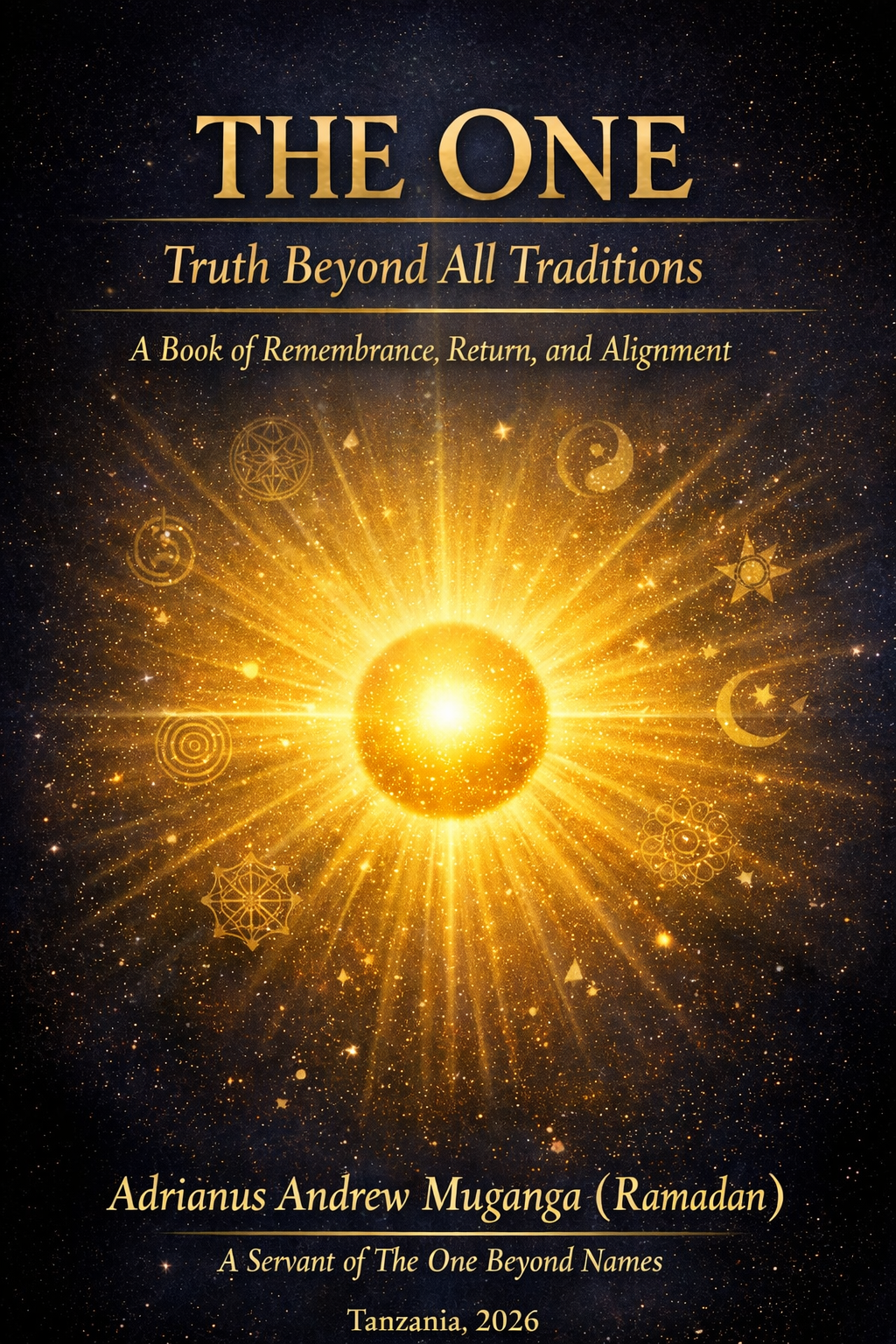
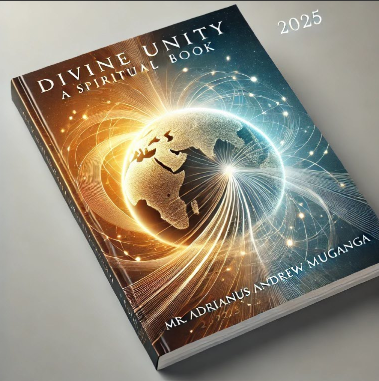
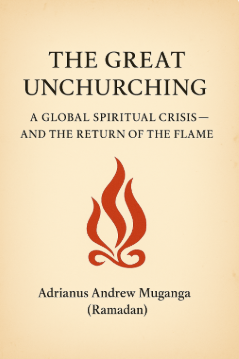
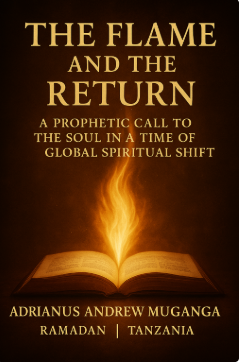
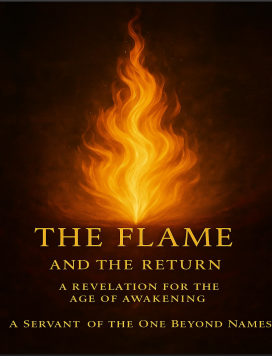
The One: Truth Beyond All Traditions is a reflective exploration of humanity’s long and complex search for meaning. Across thousands of years, human beings in different regions of the world have asked the same enduring questions: Where does existence come from? What is the purpose of life? What principles should guide human behavior? From these questions emerged the spiritual traditions, philosophies, and ethical systems that have shaped civilizations.
At first glance, the world’s traditions often appear very different from one another. They developed in different historical periods, used different languages and symbols, and were shaped by the unique cultures of the societies that preserved them. These differences sometimes led communities to see their traditions as separate or even competing explanations of reality. Yet when these traditions are examined through a broader historical and philosophical perspective, a different pattern begins to emerge.
This book invites readers to explore that broader perspective.
Rather than treating traditions as isolated systems of belief, The One: Truth Beyond All Traditions approaches them as part of a much larger human story. It examines how communities across continents attempted to understand existence and how their reflections gradually formed the traditions known today as religions and philosophical schools. Through historical observation and comparative analysis, the book looks beyond surface differences to identify themes that appear repeatedly across cultures.
One of the central ideas explored throughout the book is the possibility that humanity’s many traditions may represent different interpretations of a deeper underlying reality. The diversity of teachings, symbols, and practices may reflect the historical environments in which they developed rather than fundamentally different truths about existence itself. When viewed from this perspective, traditions begin to appear less like competing systems and more like parallel efforts to understand the same mystery.
The book traces this idea through several stages of human history. Early chapters explore how ancient societies expressed their awareness of a greater reality through myths, rituals, and symbolic practices. These early expressions often reflected a shared intuition that life is connected to forces beyond immediate human understanding. Over time, as civilizations became more complex, these intuitions developed into structured teachings preserved through sacred texts, philosophical writings, and communal traditions.
As traditions grew, they also became closely connected with cultural identity. Communities organized their social structures, moral laws, and educational systems around the teachings they considered sacred. While this process helped preserve valuable knowledge, it also contributed to the formation of boundaries between traditions. Differences in language, interpretation, and historical experience gradually created the impression that humanity’s spiritual heritage consisted of separate and competing systems.
Later sections of the book examine how these divisions emerged and how they were reinforced by political, social, and institutional developments. Throughout history, religious identity sometimes became intertwined with power, territory, and authority. These forces often shaped how traditions were interpreted and presented to their followers. As a result, teachings that may have originated as reflections on universal questions sometimes became associated with particular groups or identities.
Despite these historical divisions, the book demonstrates that many traditions share strikingly similar insights. Across cultures, spiritual teachings frequently emphasize ideas such as compassion, justice, truthfulness, responsibility, and respect for life. These ethical principles appear repeatedly in different forms, suggesting that human societies have often reached similar conclusions about how individuals should live within their communities.
Beyond ethics, many traditions also address deeper philosophical themes about the nature of existence itself. Concepts such as a single source of creation, the presence of order within the universe, the responsibility of humanity within the larger framework of life, and the possibility of personal transformation appear in diverse traditions across the world. Although the language used to describe these ideas varies, the underlying themes often resonate with one another.
By examining these recurring patterns, the book encourages readers to consider a new way of viewing humanity’s spiritual history. Instead of focusing solely on differences between traditions, it becomes possible to recognize the shared questions and insights that connect them. This approach does not attempt to replace traditions or diminish their unique identities. Rather, it offers a broader context through which those traditions can be understood.
In this sense, the book presents the idea of a “return” not as a movement backward in time but as a shift in awareness. The return described in these pages refers to the rediscovery of insights that have appeared repeatedly throughout human history but have often been obscured by division or misunderstanding. As people begin to recognize the connections between traditions, opportunities for dialogue, cooperation, and mutual understanding become more accessible.
The final chapters explore what this recognition might mean for the future of human thought. In an increasingly interconnected world, individuals have unprecedented access to knowledge about different cultures and traditions. This expanding awareness allows humanity to study its spiritual heritage in ways that were not possible in earlier centuries. By viewing traditions within this broader framework, societies may discover new possibilities for collaboration and shared understanding.
Ultimately, The One – Truth Beyond All Traditions is not a work that seeks to establish a new doctrine or belief system. Instead, it serves as an invitation to reflect on the larger story of human inquiry. It encourages readers to consider how the many traditions of the world may fit together within the ongoing search for truth that has shaped human history.
The message that emerges from this exploration is both simple and profound: beneath the diversity of humanity’s spiritual traditions may lie a deeper unity, one that has quietly guided the human search for meaning across generations and civilizations.
#Comparative Religion
#Unity Of Religions
#Spiritual Philosophy
#One Truth
#Interfaith Understanding
#World Religions
#Spiritual Unity
#Philosophy Of Religion
#Human Search For Meaning
#Universal Spirituality
#Unity Of Existence
#Shared Spiritual Principles
#Global Spirituality
#Religious Philosophy
#Spiritual Awakening



_ebookfrontcover.jpeg)